The portfolio as an edited argument
Give each project a reason to be seen
A detail can open the story
A letterform, a pencil correction, a carefully handled fold: small decisions can reveal how a creative practitioner thinks. A portfolio gives those decisions context rather than asking a finished image to explain everything.
This guide is for designers, illustrators and other makers assembling an independent body of work. Start with selection, then connect the brief, your contribution and the final presentation.
Explore cases

01 / Selection
Choose what deserves a place
A shortlist is more than your favourite images. Choose projects that show a clear intention, a useful difference and a contribution you can explain. Similar outcomes need different reasons to remain.
Build your shortlist02 / Context
Show the thinking behind the finish
Let the reader understand the task before they judge the answer. A small amount of precise context makes sketches, prototypes and final work easier to read.
A useful case-study opening
What needed to change? What did you own? Which constraint shaped the work? What can the finished result genuinely demonstrate?
03 / Routes
Let visitors find their own way
Some readers scan; others study. Make project titles, role descriptions and next steps visible enough to support both behaviours.
04 / Presentation
Make the presentation carry its weight
Scale, crops and captions are editorial choices. Show an overall view before a detail where the reader needs orientation; keep important lettering large enough to inspect.
Then detail.A simple hierarchy can do more than an elaborate transition.
Read established creative approaches
Use named work as a reading exercise, not a template. Paula Scher’s work for The Public Theater shows how typography can become an identity language. Jessica Hische’s lettering practice offers a different lens: the character of individual words and the care inside their shapes.
Pentagram’s project archive helps separate different briefs and disciplines. Studio Dumbar’s identity practice provides material for studying systems that move as well as stand still. Ask what each presentation makes legible, not whether its style should become yours.
- Pentagram project archive (opens in new tab)
- Jessica Hische’s independent website (opens in new tab)
- Studio Dumbar’s work (opens in new tab)
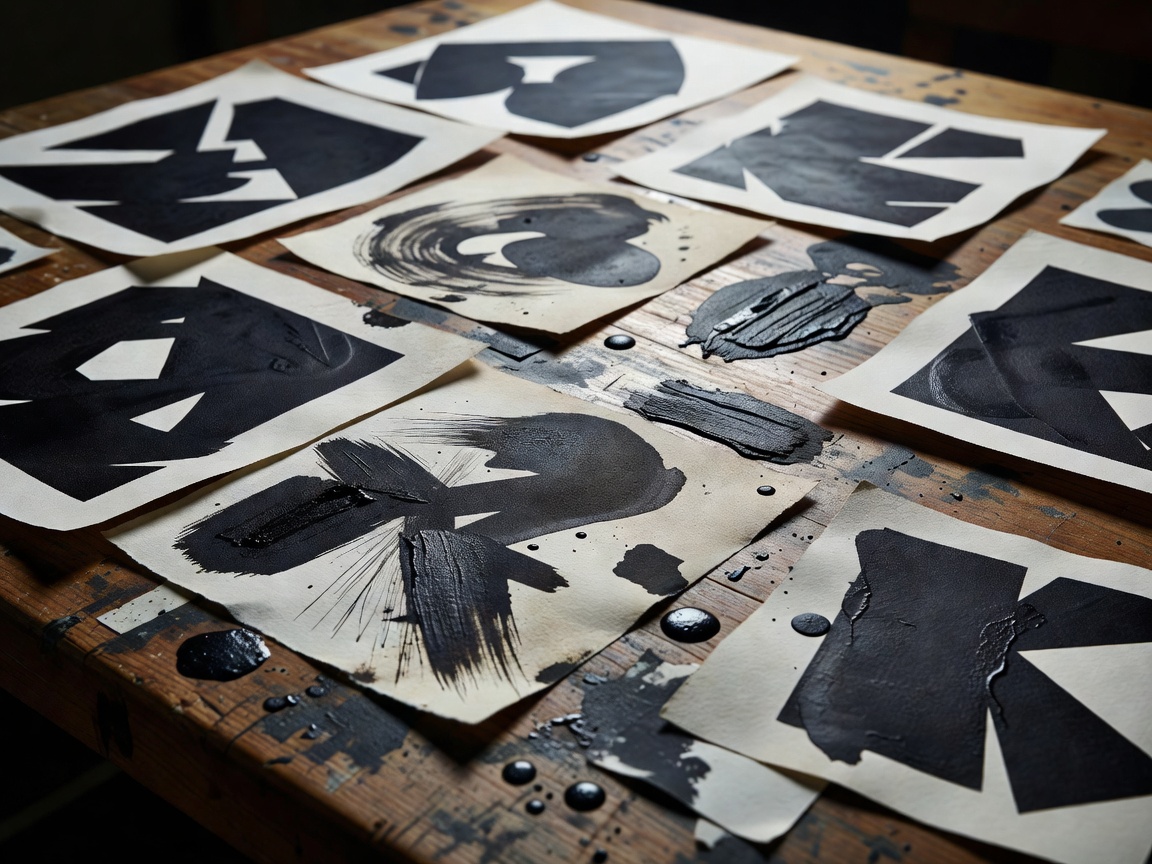
These references are independent examples. This guide is not affiliated with the practitioners or studios named. Photographs illustrate physical creative processes; they are not attributed examples of those practitioners’ work.
Before you publish
How many projects should I include?
There is no universal quota. Keep enough work to support your intended direction, and remove projects that repeat a point without adding useful evidence.
Can a self-initiated project belong?
Yes. Label it clearly, define the brief you set yourself, and avoid presenting hypothetical client outcomes as real results.
Who assembled this guide

Nordjoltsprgg is an independent information website about the editorial decisions inside creative portfolios. It is not a recruitment service, portfolio host or professional accreditation body.
Read our approachHave a correction or a question about the guide? Compose an enquiry without submitting personal information through a website form.